

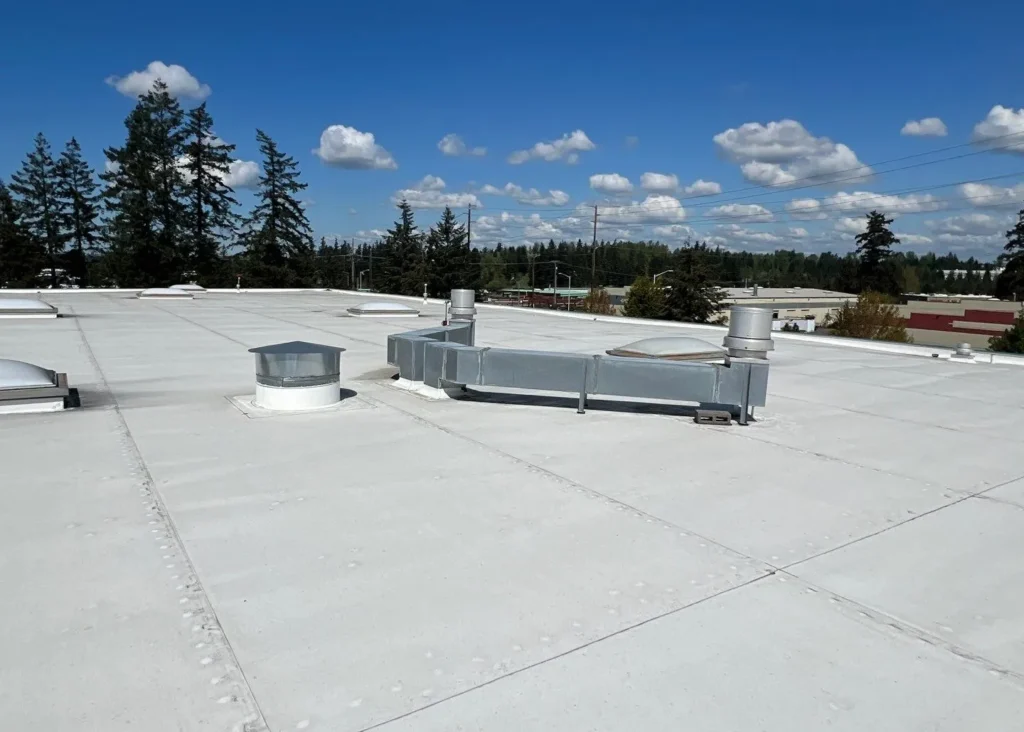
Commercial roofs in Puyallup are exposed to consistent moisture, cooler temperatures, and extended periods of winter weather that can affect how well roofing systems perform. One factor often overlooked until problems arise is ventilation. When roof vents fail or lose effectiveness, airflow becomes restricted, and moisture can build up in hard-to-monitor areas. Addressing roof vent replacement before winter conditions intensify helps commercial property owners maintain more stable roof performance during the most demanding months of the year.
Do It Right Roofing evaluates roof ventilation as part of comprehensive commercial roof inspections. Roof vents are exposed to the same year-round conditions as other roofing components, so wear can develop gradually. Replacing vents at the right time helps ensure balanced airflow and reduces additional strain on the roof system.
The Role of Roof Vents in Commercial Buildings
Roof vents allow warm, humid air to exit the attic or roof cavity while drawing in cooler outside air. This airflow pattern helps manage heat and moisture buildup within the space beneath the roof. In commercial buildings, where roof areas are often larger and internal heat loads can be higher, proper vent performance is especially important.
When ventilation is limited, warm and moist air can remain trapped beneath the roof. Over time, this can degrade insulation and decking materials, affecting overall roof performance. Vent replacement restores airflow pathways, helping the roof system function as intended.
Why Winter Conditions Highlight Vent Issues
Winter weather in Puyallup brings prolonged rainfall, colder temperatures, and reduced drying time for roof surfaces. These conditions can reveal weaknesses in roof vents that may not be noticeable during drier months. Cracked housings, corroded components, or loosened fasteners can allow moisture intrusion or limit airflow.
When vents are already compromised, winter exposure can accelerate deterioration. Timely vent replacement helps address these vulnerabilities before moisture becomes a persistent issue.
Intake Vents and Balanced Airflow
Fresh air typically enters the attic or roof cavity through intake vents placed in soffits along the roof’s eaves. Because they are somewhat shielded from direct exposure, intake vents often require replacement less frequently. Some commercial buildings, however, do not have soffits, and intake vents may be installed directly into the roof surface.
Roof-mounted intake vents are installed beneath shingles and underlayment. If these vents are improperly installed or show signs of wear, they can create pathways for leaks. Evaluating the intake vent condition helps determine whether replacement is needed to maintain balanced airflow.
Exhaust Vents and Weather Exposure
Exhaust vents are usually positioned close to the roof ridge, allowing warm air that rises to exit the roof cavity. Their location makes them more exposed to wind, rain, and temperature fluctuations. Over time, this exposure can affect vent performance.
Box vents, turbine vents, power vents, and ridge vents each respond differently to winter conditions. Regardless of type, all exhaust vents are subject to eventual wear and may require replacement to continue functioning properly.
Understanding Common Exhaust Vent Types
Box vents are widely used and generally durable, though they can be affected by rust or physical damage. Turbine vents increase airflow but include moving parts that may wear down or become noisy over time. Power vents rely on mechanical components and internal controls that can fail over time. Ridge vents run along the roof peak and are made of durable materials, but they must be properly integrated with the surrounding roofing materials.
Knowing which vent types are present on a commercial roof helps guide replacement decisions and supports more consistent airflow during the winter months.
How Vent Replacement Supports Roof Performance
Replacing worn or damaged vents helps restore airflow patterns that limit moisture accumulation beneath the roof. This supports insulation performance and helps roofing materials respond more effectively to prolonged wet conditions.
Vent replacement also helps prevent minor issues from spreading. When airflow is restricted, moisture can linger longer than expected, placing additional stress on nearby components. Timely replacement addresses these concerns before they affect larger sections of the roof system.
Planning Vent Replacement Ahead of Winter
Scheduling vent replacement before winter weather intensifies allows work to be completed under safer and more predictable conditions. It also reduces the likelihood of discovering vent issues when roof access is limited by weather.
Proactive replacement supports smoother building operations throughout the winter by reducing the risk of ventilation-related moisture issues.
Further Reading:
- Safeguarding Commercial Property Value with Roof Certification in Lakewood
- Preparing for the Rainy Season with a Federal Way Roofer’s Gutter Cleaning Services
Preparing for Winter With Informed Evaluation
Winter places consistent demands on commercial roofs in Puyallup. Taking time to assess ventilation performance helps property owners make informed decisions based on observed conditions rather than assumptions.
Schedule an inspection with Do It Right Roofing for professional roof vent replacement in Puyallup.