

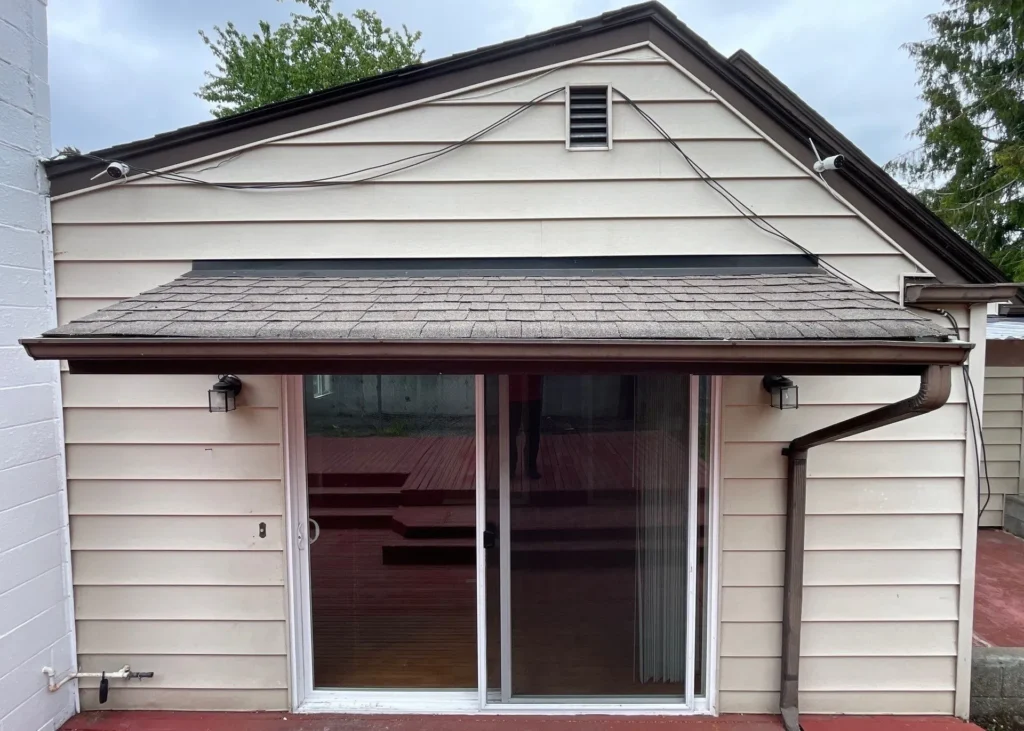
Strong coastal winds from Puget Sound frequently hit homes in Gig Harbor during storm season. Heavy gusts can tear away roofing materials and leave exposed wood vulnerable to rain. Do It Right Roofing helps homeowners repair shingles blown off by sudden windstorms before water leaks into the attic.
Our team inspects the entire roof structure after every major storm. Wind gusts lift the edges of old shingles and break the factory adhesive seals. When these seals fail, strong air currents pull the fiberglass pieces right off the decking.
Our professionals replace damaged sections using heavy-duty materials designed for coastal weather. Leaving exposed areas open to rain allows water to soak into the wooden roof sheathing beneath. Water damage can quickly rot the timber framing and ruin ceiling insulation inside the house.
How Puget Sound Coastal Winds Damage Local Roofs
Coastal weather in Gig Harbor brings unique challenges to asphalt shingles. High-speed wind gusts catch loose edges and create high pressure underneath the roofing layer. Over time, repeated wind flexing weakens the nails holding the shingles to the wooden deck.
Our experts notice that wind damage often starts along the roof ridge and outer edges. High uplift forces pull strips free along the rake edges where wind hits first. Once one piece comes loose, the wind can tear away surrounding materials more easily.
Exposed roof decks cause several immediate risks for property owners. High wind speeds leave open timber framing vulnerable to severe weather:
- Moisture leaks through open nail holes into the insulation below.
- Mold spreads across wet plywood boards inside dark attic spaces.
- Wood sheathing softens and rots from repeated rain exposure.
- Interior ceilings stain and weaken under persistent water leaks.
Our team checks for subtle signs of storm impact across all roof slopes. Sometimes shingles look intact from the ground but have cracked mats underneath. Professional crews locate these hidden fractures before winter storms drive water deep into the structure.
Selecting Qualified Local Roofing Contractors for Storm Repairs
Choosing the right contractor helps keep your home protected against tough weather. Professional contractors follow building codes and apply proper wind-resistant installation methods.
| Service Feature | Full Professional Shingle Replacement | Temporary Surface Patch |
| Wind Resistance | Meets rated 110-130 mph coastal wind standards | Low resistance to recurring strong gusts |
| Deck Inspection | Full check of underlying plywood and underlayment | No inspection of hidden structural moisture |
| Material Matching | Correct architectural shingle weight and color match | Unmatched spare materials glued on top |
| Nail Placement | Standard six-nail pattern into solid roof decking | Face-nailing or temporary adhesive striping |
| Long-Term Protection | Restores manufacturer warranty coverage | Short-term cover that degrades during next storm |
Our team follows strict installation protocols during every repair job. We remove broken remnants down to the clean plywood deck to inspect for hidden rot. We install fresh synthetic underlayment to create a waterproof barrier before installing new shingles.
Our experts use six galvanized nails per shingle to secure the replacement materials. Proper nail placement prevents future wind uplift during high-wind events. We seal the edges with roofing cement to form a tight bond against coastal wind gusts.
Do It Right Roofing brings specialized tools to test sealant bonds across repaired sections. Solid adhesive seals keep fierce coastal storms from lifting shingle tabs during future weather events. Quality workmanship restores full structural protection across the whole property.
Professional Standards for Wind-Resistant Roof Restoration
Restoring a roof after a storm requires technical precision and industry knowledge. Modern roofing materials carry rated wind resistance levels based on how workers fasten them. Do It Right Roofing follows strict manufacturer guidelines to maintain those wind ratings.
We align every replacement strip to match the existing pattern on your roof. Matching the slope and overlap ensures rain runs off smoothly into the gutter system. Proper alignment prevents water from backing up under the upper layer during heavy storms.
Professional restoration crews perform several critical tasks during repair. Every step ensures that replacement materials withstand local weather:
- Removing all torn or creased shingles damaged by high winds.
- Replacing wet or damaged felt underlayment over exposed plywood.
- Aligning new asphalt shingles to match the existing roof pattern.
- Driving nails straight into solid decking at the proper depth.
- Applying high-grade sealant along high-wind edges and eaves.
Our professionals check flashing around chimneys and vents while working on top of the roof. Strong winds often loosen metal flashing strips while ripping off neighboring shingles. Securing these metal barriers keeps water from seeping into small gaps along roof joints.
Our team also inspects gutter lines for loose granules after high winds sweep through the area. Heavy granule loss indicates that surrounding shingles suffered severe wind scouring during the storm. Replacing worn sections keeps the entire protective barrier functioning smoothly.
Further Reading:
- Maintaining Commercial Roof Performance Through Timely Vent Replacement in Puyallup
- How Roof Certification Supports Homebuyers Across Western Washington
Protecting Your Home Before the Next Coastal Storm
Taking action immediately after wind damage prevents expensive structural repairs later. Prompt fixes maintain your roof system’s strength through every coastal storm season. Do It Right Roofing provides accurate assessments to fix wind damage safely and quickly.
Contact our team today to repair shingles blown off your roof during recent weather.