

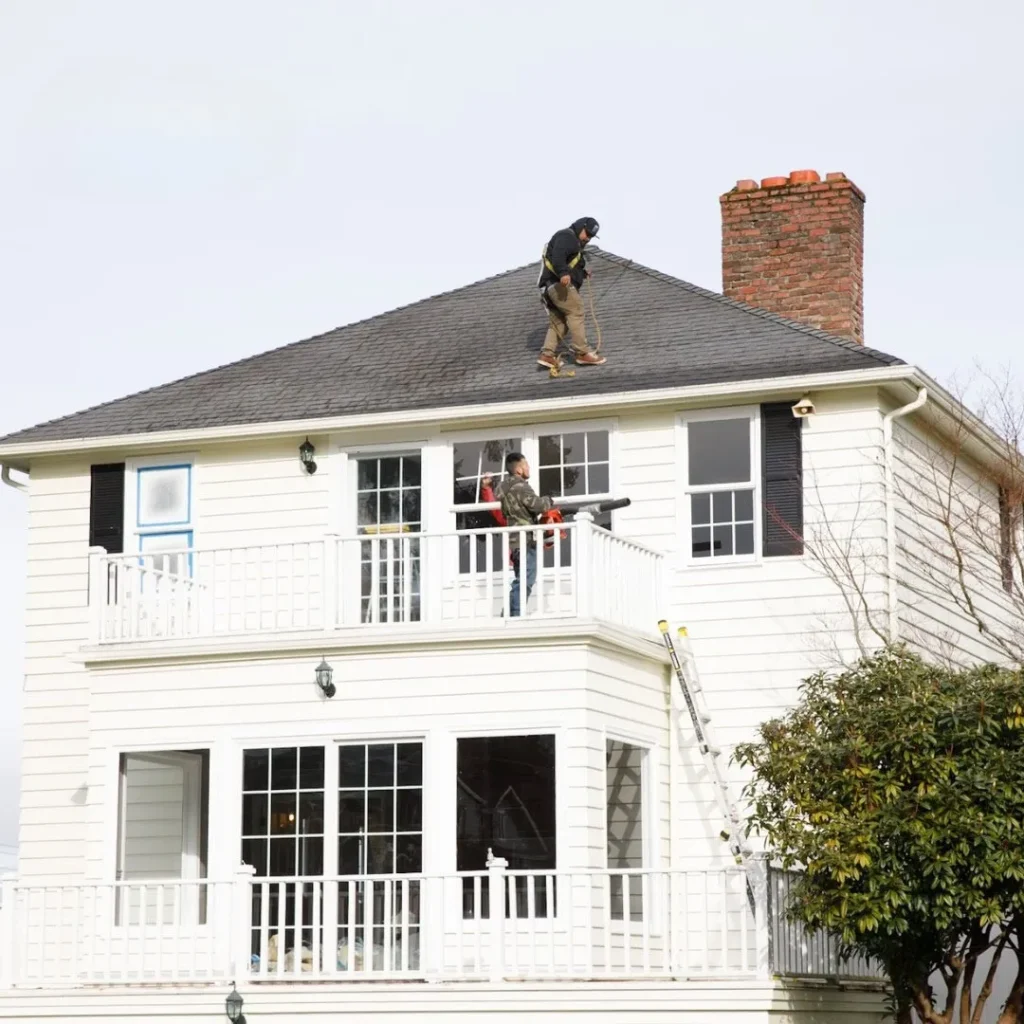
Hidden roof weaknesses often remain unnoticed until winter storms place sustained pressure on roofing systems. In the Tacoma area, steady rainfall, strong winds, and repeated storm activity can expose vulnerabilities that were previously sealed or inactive. These conditions make it easier for water to enter through loosened components, shifted materials, or compromised transitions, leading many property owners to experience sudden leaks that are usually tied to underlying issues.
Do It Right Roofing works with homeowners and commercial property owners across the service area to identify how winter weather contributes to these problems and why storm damage roof repair is commonly needed during this season. Winter storms rarely create damage in isolation; instead, they tend to reveal existing weaknesses that can no longer resist prolonged moisture and wind-driven rain.
How Winter Storm Conditions Increase the Risk of Roof Leaks
Winter storms bring a combination of conditions that place added strain on roofing systems. Prolonged rainfall keeps roof surfaces saturated, giving water more time to reach vulnerable areas. Wind pressure adds another layer of stress by lifting shingles, loosening flashing, or disturbing roof penetrations.
Rainfall during winter storms is often heavier and more persistent than seasonal showers. Even small gaps that remain dry under lighter rain can allow water intrusion when exposure lasts for hours or days. Wind-driven rain is especially problematic because it can be forced beneath shingles or into seams that are not designed to receive direct water flow.
Repeated wet conditions can also weaken seals and fastening points over time. Once materials shift or lose their secure fit, winter storms make leaks more likely.
Why Storm Damage Is Often Hidden From View
One reason winter roof leaks surprise property owners is that storm-related damage is not always visible from the ground. While missing shingles are easy to spot, many storm-related issues occur beneath overlapping materials or around roof features that require close inspection.
Roof flashing is often involved in leaks that are not immediately visible. Installed around chimneys, valleys, roof edges, and transitions, flashing directs water away from vulnerable areas. Wind or debris can loosen or bend flashing without obvious surface damage, allowing water to collect and seep beneath the roofing system during prolonged rainfall.
Roof vents and other penetrations are also exposed to strong wind pressure. When seals deteriorate or components shift slightly, water intrusion may only occur during sustained storms rather than lighter rain, making the problem harder to detect without inspection.
Roof Areas Commonly Affected by Winter Storms
Storm damage tends to affect specific roof components rather than the entire system. Wind and debris usually target exposed or elevated areas, while prolonged rainfall highlights weaknesses around seams and transitions.
Shingles along roof edges and ridgelines are especially vulnerable to wind uplift. Once these shingles loosen or shift, water can travel beneath surrounding materials. Roof valleys are another common problem area, as they handle higher volumes of water and rely heavily on intact flashing to function properly.
Chimneys, skylights, and roof penetrations are common sources of winter leaks. These features depend on secure flashing and proper sealing to prevent water intrusion, and storm conditions often expose weaknesses that remain unnoticed during drier weather.
The Role of Storm Damage Inspections
When a roof leaks during a winter storm, the visible water intrusion is only part of the issue. The underlying cause often requires professional evaluation to determine whether damage is limited to one area or affects multiple components.
Storm damage inspections focus on identifying impacts caused by wind, rain, and debris rather than general aging. This distinction helps determine whether repairs can be localized or whether multiple areas require attention. In many cases, targeted repairs are sufficient once damaged components are clearly identified.
Do It Right Roofing begins storm-related service calls with an inspection to identify both visible damage and potential damage beneath the surface. This approach helps ensure repairs address the actual source of the leak rather than only the interior symptoms.
Further Reading:
- Practical Roof Repair Considerations for Ongoing Home Care in Tacoma
- How a Professional Roof Inspection Assesses Roof Ventilation
Addressing Winter Roof Leaks Before They Continue
Roof leaks that appear during winter storms often indicate underlying storm-related damage that can continue allowing water intrusion if left unresolved. Identifying affected areas early helps reduce the likelihood of repeated leaks throughout the winter season. Do It Right Roofing works with property owners to evaluate storm-related roof issues and recommend appropriate next steps based on observed conditions.
Contact Do It Right Roofing to schedule an inspection and discuss storm damage roof repair.