

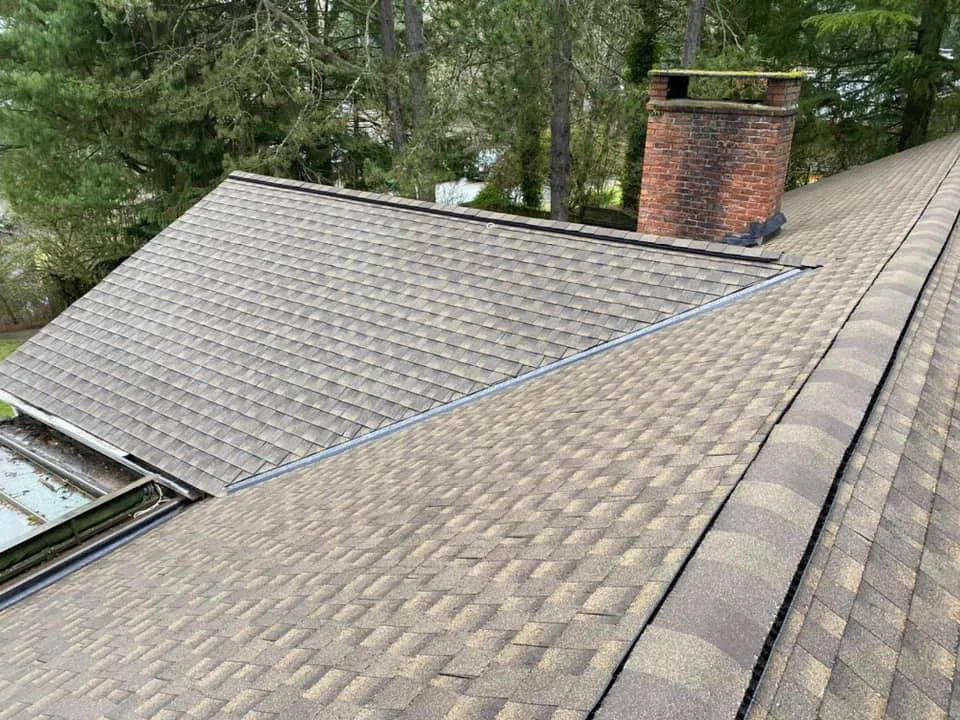
High windstorms are a regular part of weather patterns in the Pacific Northwest, particularly during fall and winter. When strong winds move through, homeowners may notice loose shingles, missing sections, or roofing debris around their property. This often leads to questions about whether shingle loss during heavy windstorms is expected or a sign of roof damage. Understanding when shingle loss is weather-related and when repair of shingles blown off is necessary helps clarify how roofing systems respond to severe conditions.
Do It Right Roofing works with homeowners across the service area to evaluate wind-related roof damage and determine whether shingle loss is isolated or part of a broader repair need. Wind does not automatically indicate roof failure, but it can expose weaknesses in individual roofing components.
Why Shingles Can Come Loose During Strong Winds
Shingles are designed to protect the roof surface while efficiently shedding water. They rely on proper fastening, intact surrounding materials, and correct installation to remain secure. During strong windstorms, uplift pressure can place stress on these attachment points, especially along roof edges, ridgelines, and exposed slopes.
During heavy wind events, airflow can work beneath shingle edges and loosen their hold on the roof surface. Once airflow reaches beneath a shingle, fasteners may loosen, or the shingle may detach entirely. This does not always indicate widespread roof failure. In many cases, wind damage affects specific sections rather than the entire roofing system.
Falling debris, such as branches or wind-carried materials, can also dislodge shingles. Even minor impacts may weaken attachment points, increasing the likelihood that shingles will come off during subsequent storms.
When Blown-Off Shingles Require Repair
It is not uncommon for roofs exposed to severe weather to lose shingles during strong wind events. However, missing shingles should never be ignored. When shingles are missing, the layers beneath the roof surface are left vulnerable to water intrusion, which can lead to interior issues.
Situations that typically require repair of shingles blown off include the following:
- Shingles missing after a windstorm
- Roofing debris found on the ground or in gutters
- Exposed roof decking or underlayment
- Leaks appearing after periods of high wind
Wind damage often affects limited areas rather than the full roof surface. Targeted repairs help address these issues once the affected sections are clearly identified.
Why Some Roofs Lose Shingles While Others Do Not
Shingle loss during windstorms does not affect every roof the same way. Several factors influence how well shingles remain secured during strong gusts. Roofs with higher exposure, limited tree cover, or open surroundings may experience greater wind pressure than those in more sheltered locations.
The condition of individual roofing components also matters. Shingles that have been loosened over time due to weather exposure, prior repairs, or normal aging may detach more easily during storms. Previous foot traffic from inspections or maintenance can also affect how firmly shingles are seated, even when no visible damage is present.
Environmental factors contribute as well. Falling debris, such as branches, can weaken shingle attachment points, making them more vulnerable during later wind events. Moisture buildup in the attic may also play a role by affecting how roofing materials sit and respond to pressure. These combined factors explain why some roofs lose shingles during windstorms while others remain intact.
How Roof Repair Evaluations Address Wind Damage
After a windstorm, a professional roof repair evaluation focuses on identifying the extent of damage and whether repairs can be limited to specific components. Not every instance of shingle loss requires roof replacement.
Do It Right Roofing evaluates the following:
- The number and location of missing or loosened shingles
- Whether vents, flashing, or other roof features were affected
- Signs of moisture intrusion beneath the surface
- Whether damage is isolated or extends to multiple areas
This process helps determine the appropriate repair approach based on observed conditions. Addressing wind damage early helps reduce the risk of further shingle loss or water intrusion during future storms.
Why Prompt Repairs Matter After Windstorms
Even small areas of missing shingles can allow water to enter the roofing system. Prolonged exposure to rain after wind damage increases the likelihood of leaks, insulation issues, and interior staining. Timely repairs help restore the protective barrier and limit additional deterioration.
Roof repair services focus on replacing damaged components such as shingles, vents, or flashing without disturbing unaffected areas. This allows the roof to continue functioning properly while addressing the specific wind damage.
Delaying repairs after shingle loss often leads to expanded damage, especially during seasons with frequent storms and rainfall.
Further Reading:
- How Damaged Rain Gutters in Tacoma Can Contribute to Roof Repair Needs
- Why Some Homeowners Prefer Family-Owned Roofing Companies in Tacoma WA
Addressing Wind-Related Shingle Damage Responsibly
Windstorms are a normal part of regional weather patterns, but missing shingles are not something homeowners should consider harmless. Shingle loss indicates that certain roof components have been compromised and require professional evaluation. Do It Right Roofing provides roof repair services based on observed roof conditions rather than assumptions.
Contact Do It Right Roofing to schedule an inspection and discuss the repair of shingles blown off.