

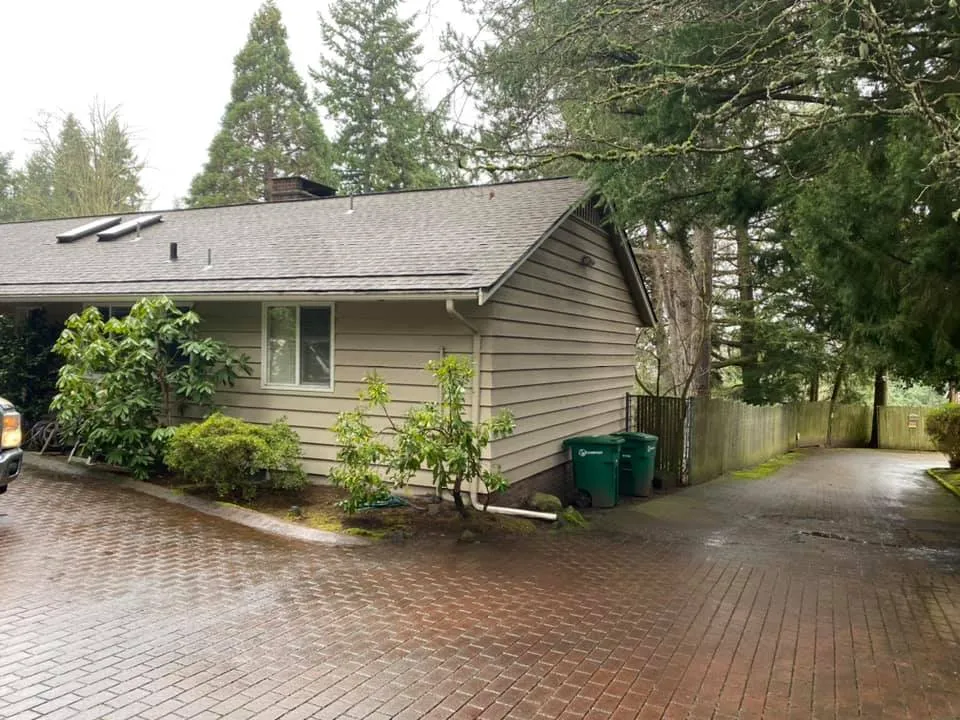
Winter conditions can stress roofing systems, especially in regions with frequent rain, debris buildup, and persistent moisture. While many homeowners focus on roof concerns once spring arrives, issues that appear during that season often begin months earlier. Skipping winter roof maintenance allows small problems to develop unnoticed, which can later result in leaks when rainfall increases and drainage demands rise.
Do It Right Roofing works with homeowners across the service area to address maintenance-related roof issues before they escalate. Winter is a critical time for roof care because debris accumulation and moisture exposure tend to increase during this period, creating conditions that can compromise roofing materials.
How Winter Conditions Create Hidden Roofing Problems
Roofs in the Pacific Northwest are exposed to ongoing moisture throughout winter. Rain, fallen leaves, twigs, and organic debris often collect on roof surfaces and in drainage areas. When this material is not removed, it holds moisture against shingles and other roof components for extended periods.
Pooling water and damp conditions provide an ideal environment for moss, algae, and similar growth to develop. These organisms may seem harmless at first, but they can interfere with how roofing materials perform. Moss growth, in particular, can lift shingles and affect how they sit against the roof surface, allowing water to move where it should not.
Winter weather also limits natural drying. Without periods of warmth and sunlight, moisture remains trapped longer, increasing the likelihood that roofing materials will weaken before spring arrives.
Why Debris Buildup Leads to Leaks in Spring
As winter transitions into spring, rainfall often becomes heavier and more frequent. Roofs that were already holding debris during winter may struggle to drain properly once rainfall increases. Leaves, twigs, and moss can block natural water flow paths, causing water to back up and collect in areas not designed to handle standing moisture.
Blocked drainage does not always cause immediate leaks. Instead, water slowly works its way beneath shingles or into seams, eventually leading to interior staining or active leaks once spring storms arrive. In many cases, the leak itself is noticed long after the original maintenance issue began.
Regular roof maintenance helps keep drainage pathways clear, reducing the chance that water will be forced into vulnerable areas during seasonal weather changes.
The Impact of Moss and Algae on Roofing Materials
Moss growth is one of the most common causes of spring leaks after winter neglect. Moss absorbs and retains moisture, keeping shingles damp for prolonged periods. Over time, this moisture can cause shingles to curl, lift, crack, or erode.
When shingles lose their proper shape or alignment, they no longer provide consistent protection against water. Even small changes in how shingles sit can allow moisture to move beneath the roof surface. Algae, while less damaging to shingles directly, contributes to moisture retention and affects how the roof manages heat and drying.
Professional roof cleaning removes moss, algae, and debris using methods designed to protect roofing materials while restoring proper drainage and surface conditions.
How Winter Maintenance Supports Roof Performance
Winter roof maintenance is not limited to cleaning alone. Maintenance services include a thorough inspection to identify early signs of damage or areas that need attention. Catching these issues before spring prevents them from worsening once weather conditions intensify.
During maintenance visits, roof surfaces, drainage areas, and visible components are evaluated for signs of deterioration. Identifying concerns early helps limit the scope of repairs and reduces the likelihood of leaks developing later in the year.
Consistent roof maintenance also helps preserve roofing materials by preventing prolonged exposure to moisture and organic growth. This supports overall roof performance and reduces the risk of avoidable damage.
Why Skipped Maintenance Often Results in Costlier Repairs
Neglecting roof maintenance increases the likelihood that minor issues will turn into larger problems. Moss growth, debris buildup, and blocked drainage can all contribute to wood rot, material failure, and leaks that require repair rather than routine care.
Spring leaks often lead homeowners to seek urgent repairs, even though the underlying causes developed slowly over winter. Addressing these issues earlier through maintenance reduces the need for more extensive repair work once leaks appear.
Regular maintenance helps protect roofing materials, manage moisture effectively, and reduce the risk of repairs that could have been avoided with earlier attention.
The Role of Inspections in Winter Roof Care
Winter maintenance includes inspection because not all roofing problems are visible from the ground. Moisture intrusion, material movement, and early signs of damage often require professional evaluation to be accurately assessed.
A maintenance inspection focuses on current roof conditions rather than assumptions. This allows potential issues to be addressed before they result in leaks, structural concerns, or interior damage during spring rainfall.
Inspections paired with cleaning provide a clearer picture of roof health and help guide appropriate next steps based on observed conditions.
Further Reading:
- How Roof Repair in Tacoma WA Addresses Leaks That Follow Heavy Rain
- How a Certified Roof Inspector Helps Identify Roof Issues Early
Preventing Spring Leaks Through Proactive Care
Spring leaks are often the result of winter neglect rather than sudden roof failure. Moisture buildup, moss growth, and debris accumulation create conditions that weaken roofing materials over time. Addressing these issues during winter reduces the likelihood of leaks once rainfall increases. Do It Right Roofing provides maintenance services that focus on cleaning, inspection, and early issue identification.
Schedule professional roof maintenance to reduce the risk of spring leaks and protect your roofing system.