
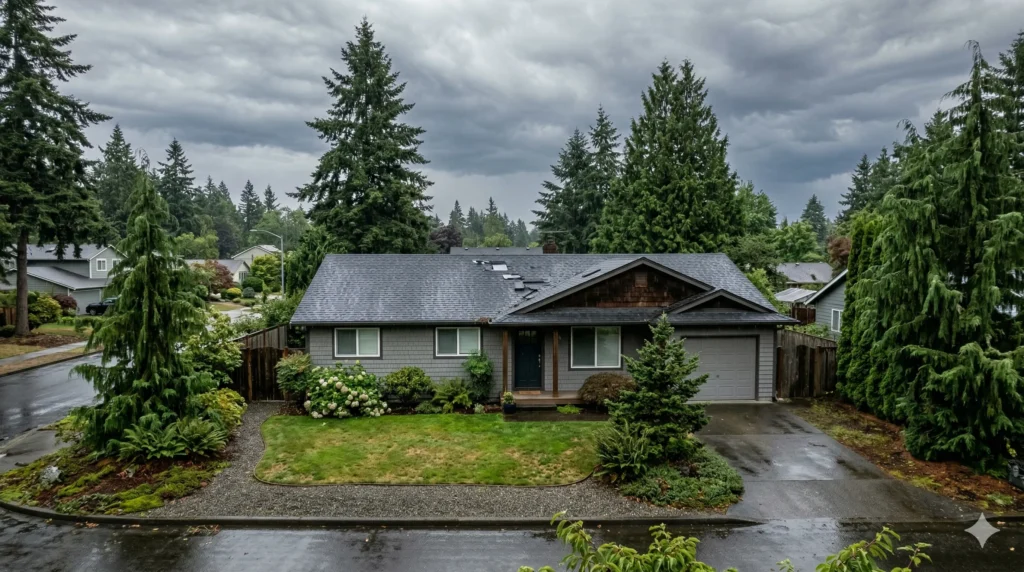
Severe weather can create urgent roofing issues that require prompt attention. High winds, heavy rain, and airborne debris may loosen shingles, damage flashing, or allow water to enter vulnerable areas. Acting quickly on the first day after a storm helps limit further exposure and prepares you to contact a storm-damage roof-repair contractor for a professional assessment.
Do It Right Roofing responds to storm-related roofing concerns by identifying visible and hidden damage. Some problems appear immediately, while others develop as water moves through compromised components. A structured response during the first 24 hours helps homeowners manage the situation more effectively.
Why the First 24 Hours Matter
Storm-related damage often affects specific parts of the roofing system. Missing shingles, loose flashing, or damaged vents can allow water intrusion, which worsens with continued rainfall. Early action reduces the chance of moisture spreading to additional areas.
Water that enters through small openings can travel along the roof decking, insulation, or framing. This movement may not be obvious at first, which is why timely evaluation becomes important. A clear plan helps homeowners monitor conditions while preparing for inspection.
The Immediate Response Protocol
When a leak appears or storm damage is suspected, following a structured set of steps helps stabilize the situation until a professional inspection can occur.
- Move belongings away from the affected area. Protect furniture, electronics, and flooring from potential water exposure.
- Place containers to catch dripping water. This helps limit interior damage while the source is evaluated.
- Check ceilings and upper walls for spreading moisture. Look for damp spots or discoloration near the leak.
- Document visible signs of damage. Take photos of the interior and exterior areas if they are safely accessible from the ground.
- Contact a professional roofing company for inspection. Early scheduling allows damage to be identified before conditions worsen.
This protocol helps address immediate concerns while documenting observed conditions. It also prepares homeowners to describe the situation clearly when scheduling service.
Common Storm Damage to Watch For
Storms impact several roof components depending on wind direction and rainfall intensity. Some signs appear from ground level, while others require closer inspection. Understanding these indicators helps homeowners recognize when to request a professional evaluation.
Missing or lifted shingles are often the most visible issue. Wind can loosen the adhesive bond or detach shingles entirely, leaving underlayment exposed. Even a small section of displaced material may allow water to enter during continued rain.
Flashing around chimneys, valleys, and roof edges can also shift during storms. These metal components protect transition areas where water tends to collect. If flashing becomes loosened, water can enter through seams or joints.
Roof vents and penetrations may experience pressure from strong wind gusts. Damaged seals or shifted vent covers can create entry points for moisture. These areas often require careful inspection to determine whether repairs are localized.
Hidden Damage That Appears Later
Not all storm damage is immediately obvious. Some issues develop gradually as water moves beneath roofing materials. Homeowners may notice subtle changes hours after the storm has passed.
Ceiling discoloration or damp drywall can indicate slow moisture intrusion. These signs often appear near roof penetrations or where shingles were displaced. Monitoring interior surfaces during the first day helps detect developing problems.
Another potential issue involves loosened shingles that remain in place. These may not leak immediately, but can allow water to enter during subsequent rainfall. Professional inspection helps identify these vulnerable areas before additional damage occurs.
What Happens During a Storm Damage Inspection
Storm damage services typically begin with an evaluation focused on storm-related impacts. The goal is to identify affected areas and determine whether repairs can address the issue. This approach avoids assumptions and focuses on observed conditions.
Inspection often includes checking shingles for lifting or detachment. Flashing, vents, and seams are also reviewed for signs of shifting or damage. These components commonly experience stress during severe weather.
Do It Right Roofing also examines areas where water may collect. Valleys, edges, and transitions between roof sections receive careful attention. This helps determine whether damage is isolated or involves multiple components.
Planning Repairs Based on Observed Conditions
Storm damage does not always require full roof replacement. Many situations involve targeted repairs once affected areas are identified. This approach addresses specific damage while preserving the rest of the roofing system.
Localized repairs may include replacing missing shingles or securing flashing. Damaged vent seals or penetrations can also be corrected. The repair strategy depends on the extent of storm-related impact.
Professional evaluation helps determine whether multiple components were affected. In some cases, several small issues combine to create larger concerns. Addressing these areas together helps restore protection.
Further Reading:
- Roof Vent Replacement for Better Indoor Air Quality in Bonney Lake Offices
- Storm-Ready Roof Repairs That Address Washington’s Severe Weather Damage
Acting Quickly After Severe Weather
Storms can create both visible and hidden roofing issues. A structured response during the first 24 hours helps limit interior damage and prepares homeowners for inspection. Monitoring conditions and documenting observations support a more efficient repair process.
Do It Right Roofing evaluates storm-related damage by focusing on vulnerable roof components. Early inspection helps determine whether repairs are localized and prevents moisture from spreading.
Contact a storm-damage roof-repair contractor to schedule a professional inspection after severe weather.