

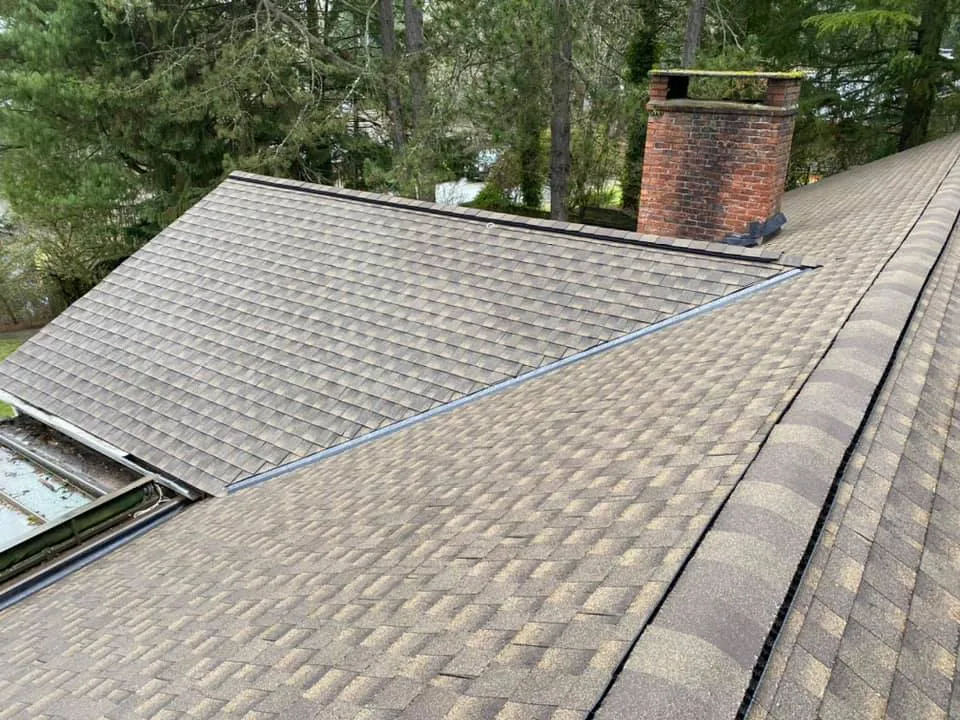
Small roof damage often looks harmless from the ground, yet even a lifted tab or cracked shingle can allow water to travel beneath the surface. Homeowners frequently search for shingle roof leak repair after noticing a minor ceiling stain, only to learn the leak originated from something that seemed insignificant. What appears small on the exterior can lead to moisture moving through layers that are not visible without a closer inspection.
Do It Right Roofing provides professional roof repair services across the Pacific Northwest, where weather conditions place steady stress on shingle systems. Rain, snow, ice, and wind all test how well each component performs. Even limited wear can create entry points for water.
Why Small Shingle Damage Causes Leaks
Shingles are designed to overlap and shed water efficiently. When a shingle loosens or cracks, the layered protection is compromised, allowing water to seep beneath during rainfall.
High winds can lift edges just enough to break the seal between shingles. Once that seal fails, water can follow gravity into the underlayment and eventually into the roof deck.
In many cases, the visible damage is only part of the issue. Water does not always drip straight down; it can travel along decking or framing before appearing inside the home.
Flashing Problems Often Start Subtly
Flashing is designed to guide water away from areas where roof planes meet or intersect, including valleys, headwalls, and chimney joints. If flashing becomes ineffective due to damage, degradation, or improper installation, leaks can develop even when surrounding shingles look intact.
Chimneys are among the most common sources of leaks. Chimney flashing that has separated or deteriorated may allow water to enter during heavy rain.
Roof valleys also experience concentrated water flow. If flashing in these areas loosens or shifts, even minor gaps can let moisture reach the roof structure beneath.
Wildlife, Debris, and Foot Traffic
Wildlife activity can disturb shingles without creating obvious damage. Small claw marks or lifted corners may not stand out visually, yet they weaken the protective barrier.
Falling branches or debris can crack or puncture shingles in isolated spots. Even if only one or two shingles are affected, water intrusion can begin quickly in wet weather.
Foot traffic from maintenance or previous work can also loosen shingles. Improper stepping on shingle tabs may break seals that were designed to remain secure under normal conditions.
Snow, Ice, and Moisture Buildup
Winter conditions create additional stress on roofing materials. Snow accumulation and ice dams can force water beneath shingles, especially if there are already small vulnerabilities.
Moisture buildup in the attic can worsen the situation. Poor ventilation may allow condensation to form beneath the roof deck, increasing the risk of damage that contributes to leaks.
Shingles that appear structurally sound from above may still allow water intrusion if surrounding components are compromised. That is why addressing the source of the problem requires more than surface observation.
Vents and Skylights as Leak Points
Roof penetrations, such as vents and skylights, introduce additional flashing and sealing. Over time, these components can degrade independently of the shingles.
A damaged vent or aging seal around a skylight can allow water to enter without widespread shingle failure. Since skylights often have shorter lifespans than the roof itself, leaks may occur around them before the rest of the roof shows signs of wear.
Replacing compromised vents or skylights can stop localized leaks without requiring full roof replacement. Proper evaluation helps determine whether targeted repair is sufficient.
Why Prompt Attention Matters
Even a slow drip can cause structural concerns over time. Moisture that reaches the roof deck or attic can affect insulation and framing.
Ignoring a small leak may lead to more extensive repairs later. What starts as isolated shingle damage can affect adjacent components if left unaddressed.
Professional assessment identifies the exact source of the leak. Since leaks can originate in one area and appear in another, locating the true entry point is essential before repairs begin.
How We Approach Shingle Roof Repairs
Do It Right Roofing begins with a detailed inspection to identify all contributing factors. A complete roof replacement is not always necessary to address a leak, as many problems can be corrected by repairing or replacing individual components like shingles, flashing, vents, or skylights.
We focus on restoring the integrity of the affected area while ensuring surrounding materials remain secure. This method helps address the cause of the leak without unnecessary work.
Weather conditions in the Pacific Northwest demand careful evaluation. Consistent rain and seasonal snow make it more important to resolve small issues before they escalate.
Further Reading:
- Chimney Flashing Repair Services by a Reliable Federal Way Roofing Contractor
- Tacoma Roof Repair for Securing Loose Shingles and Safeguarding Your Home
Address Small Leaks Before They Grow
Minor damage to a shingle roof should never be dismissed simply because it appears minor. Even one damaged shingle or a missing flashing section can create an opening that allows water to move beneath the roofing layers. Timely inspection and targeted repair protect the roof’s structure and help prevent further complications.
Contact Do It Right Roofing to schedule a professional evaluation and reliable shingle roof leak repair.