
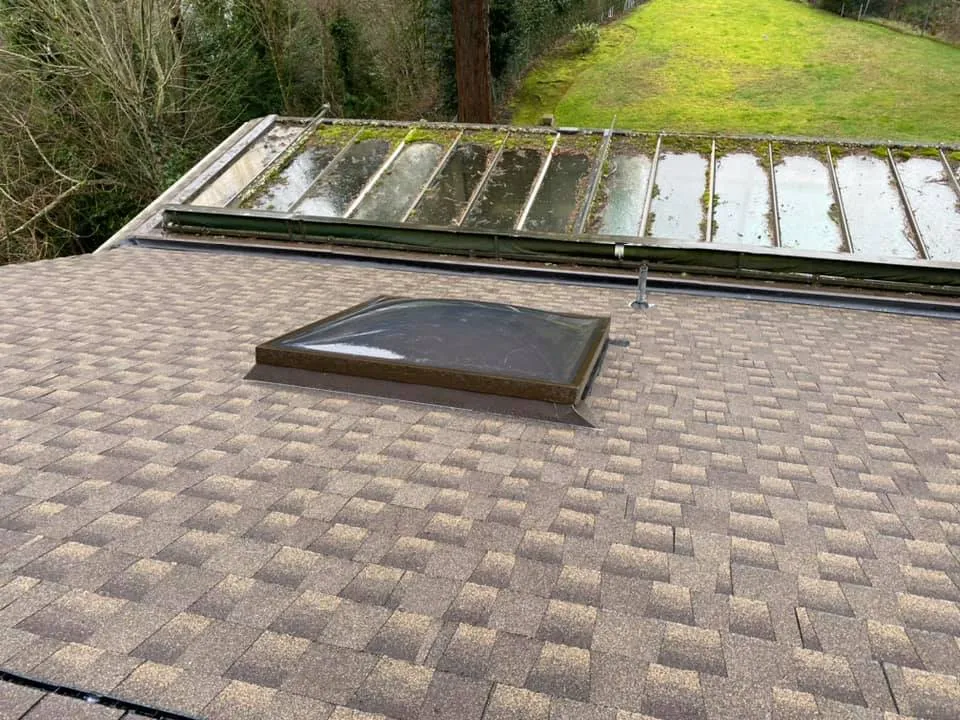
Storms can leave behind roof changes that are not immediately obvious from the ground. Wind, rain, and debris may affect specific areas of the roof while leaving surrounding sections intact, making it difficult to determine whether repairs are actually needed. In many cases, homeowners begin searching for “roof damage repair near me” not because of visible interior damage, but because something about the roof’s condition feels different after a storm.
Do It Right Roofing evaluates post-storm roof conditions by focusing on observable changes rather than assumptions. Inspections help determine whether storm damage is confined to specific areas, how far it may have spread, and whether repairs are appropriate given the roof’s overall condition.
Why Storm Effects Are Often Limited to Certain Areas
Storm-related roof damage does not always impact the entire roofing system. Wind pressure, debris impact, or heavy rain often affects specific sections while nearby materials remain serviceable. This is why post-storm concerns are frequently tied to localized areas rather than complete system failure.
Missing or shifted shingles, material displacement caused by high winds, and isolated impact damage are common examples. These issues may not cause immediate leaks but can leave portions of the roof exposed to moisture during subsequent rainfall. Recognizing that storm effects are often localized helps explain why a professional evaluation is useful even when damage is not obvious.
Changes That May Indicate Post-Storm Roof Issues
After a storm, certain changes can suggest that the roof’s protective function has been compromised in specific areas. Shingles that appear lifted, uneven, or out of alignment may indicate wind-related movement. Small sections of exposed roofing material can allow moisture to reach layers beneath the surface over time.
Localized leaks around flashing or roof penetrations are another sign to watch for. These areas rely on precise placement and sealing to remain watertight, and storm conditions can affect their performance. Impact damage from debris may also alter how materials sit, even if no immediate leak is present.
When these subtle changes are noticed, homeowners often begin exploring “roof damage repair near me” to determine whether a professional evaluation is warranted.
Why Early Evaluation Helps After a Storm
Post-storm roof changes may not lead to immediate interior issues, but delaying evaluation can allow minor concerns to worsen. Materials that have shifted or loosened may continue to deteriorate with ongoing exposure to rain and wind.
Water intrusion often follows the path created by the original storm impact, spreading beyond the initial area before becoming visible inside the home. Early inspection helps determine whether the issue remains confined to one section or has begun affecting additional components.
Prompt evaluation supports timely decision-making and helps maintain roof performance by addressing changes before they escalate.
What a Post-Storm Roof Inspection Focuses On
Post-storm roof inspections concentrate on identifying storm-related effects rather than general wear. The goal is to locate where changes have occurred and understand how they affect overall roof function.
During the inspection, roofing professionals assess the following:
- Whether changes are limited to specific areas
- Which roofing components have been affected
- Whether targeted repairs can restore proper performance
- When broader work should be considered
This approach ensures that repair recommendations are based on observed conditions rather than assumptions about the roof’s age or appearance.
When Targeted Repairs Are Often Appropriate
Targeted repairs are commonly recommended when storm-related changes are confined to specific sections and the surrounding materials remain serviceable. Addressing only the affected areas helps restore protection while preserving undamaged portions of the roof.
This repair approach focuses on correcting the specific issue identified during inspection rather than disturbing the entire roofing system. Determining whether targeted repair is suitable depends on the condition of nearby materials and how the storm affected the roof.
Understanding Repair Versus Replacement After a Storm
Post-storm roof changes are often confined to specific areas rather than affecting the entire roofing system. In these cases, repair may be sufficient once the affected areas are clearly identified.
Professional evaluation helps distinguish between changes that can be addressed through repair and those that indicate broader concerns. This distinction allows homeowners to approach the next steps with clarity rather than assuming replacement is the only option.
Further Reading:
- How Proper Gutter Cleaning Helps Safeguard Vulnerable Roof Sections
- Why Roof Certification Often Factors Into Home Sales in Gig Harbor
Knowing When to Schedule a Post-Storm Inspection
If a storm has caused shingle movement, material displacement, or localized exposure, scheduling an inspection is often the most practical next step. These changes suggest that the roof may no longer be directing water away effectively in certain areas. Do It Right Roofing assesses post-storm roof conditions by focusing on material performance, repair feasibility, and overall roof function.
Schedule an inspection to determine whether “roof damage repair near me” is appropriate based on observed conditions.