
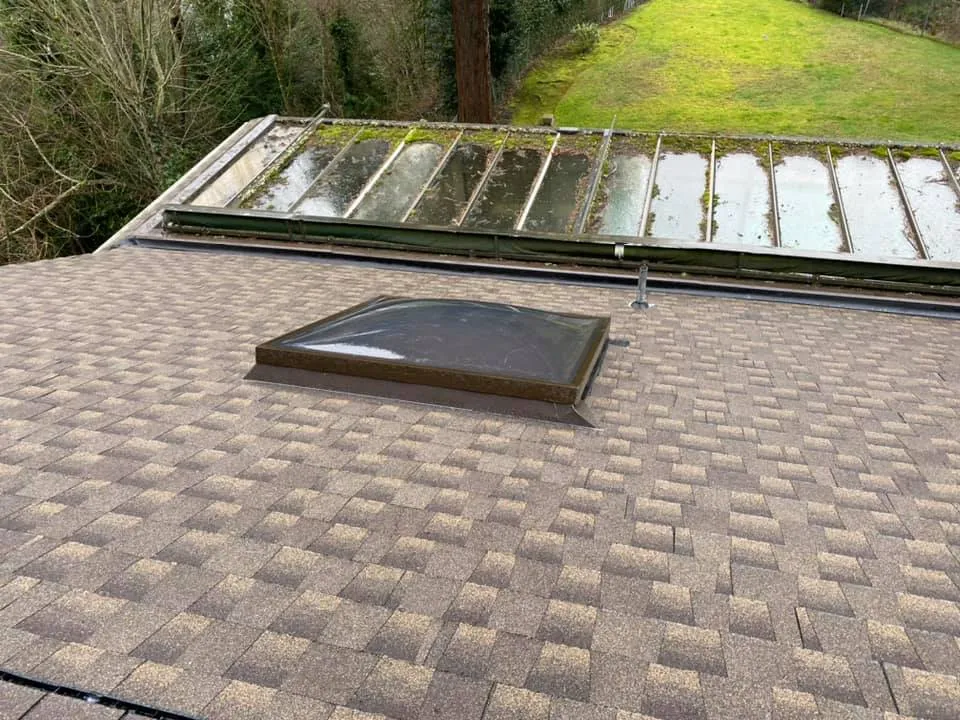
Cold rainstorms in the Pacific Northwest often expose weak points in roofing systems. If you notice water entering near attic spaces or ceiling areas during steady rainfall, a compromised vent may be the cause. In many cases, roof vent replacement becomes necessary when weather-related wear or improper installation allows moisture to penetrate around the vent assembly.
Do It Right Roofing handles vent replacement services for residential properties, ensuring attic ventilation components remain secure and weather-resistant. Roof vents endure the same seasonal exposure as shingles and flashing, and cold, wind-driven rain can highlight issues that were previously unnoticed.
How Roof Vents Contribute to Attic Health
Proper attic ventilation is essential for keeping the space beneath the roof dry and properly regulated. Vents allow warm, humid air to escape while drawing in fresh outside air to regulate temperature and moisture levels.
Without proper ventilation, warm air can remain trapped inside the attic. This buildup of moisture increases the likelihood of condensation forming under the roof deck.
Over time, excess condensation can affect insulation and structural components. That is why properly functioning vents are essential to the overall performance of the roofing system.
Why Cold Rainstorms Trigger Leaks
Cold rainstorms often involve sustained moisture combined with shifting wind patterns. Wind-driven rain can force water against vent housings and surrounding shingles.
If flashing around the vent has loosened or if seals have deteriorated, water may enter around the base of the vent. Even minor gaps can allow moisture intrusion during prolonged rainfall.
In colder conditions, materials may contract slightly, making previously tight seals more vulnerable. When temperatures fluctuate, small weaknesses can become noticeable through interior water stains or damp insulation.
Intake Vents and Potential Issues
Most intake vents are installed in soffits beneath the eaves, where they are partially protected from direct weather exposure. These vents typically require replacement less frequently.
Some homes do not have soffits and instead use rooftop intake vents installed beneath shingles and underlayment. While these vents are not commonly replaced until a full roof replacement, improper installation can create a risk of leaks.
If water intrusion is traced to a rooftop intake vent, inspection determines whether localized correction or full roof vent replacement is appropriate.
Exhaust Vents and Exposure to Weather
Exhaust vents are typically positioned near the roof ridge, making them more exposed to wind and rainfall. Because of their placement, they are often the first ventilation components to show signs of wear.
Different types of exhaust vents perform differently under weather stress. The condition and quality of materials influence how well they resist moisture intrusion over time.
When exhaust vents deteriorate, leaks may occur during extended rain events. Replacing damaged components restores proper ventilation and weather resistance.
Common Types of Exhaust Vents
Box vents are widely used due to their affordability. Although they can last for many years, they may develop rust or suffer from poor installation, which can contribute to leakage.
Turbine vents provide increased airflow but contain moving parts that can wear down. Over time, damaged components or aging seals may allow moisture to enter.
Power vents operate using temperature and humidity controls. Because they include mechanical components, replacement may be necessary if components fail or weather exposure damages their housing.
Ridge vents are installed beneath the ridge cap and are constructed from durable materials. While they are generally less likely to develop leaks, improper installation or surrounding shingle issues can still cause water intrusion.
Signs That Replacement May Be Needed
Persistent leaks near vent locations during rainstorms suggest that the vent assembly may be compromised. Water staining in the attic or along ceiling lines often indicates moisture entry near penetrations.
Rust, cracking, or visible separation around vent bases can also signal deterioration. If repeated storms result in recurring moisture issues, replacing the affected vent may be the most reliable solution.
Since all roof vents are subject to eventual wear, inspection determines whether the vent can be resealed or requires full replacement. Addressing the issue promptly helps maintain proper attic ventilation and moisture control.
Why Professional Evaluation Matters
Vent-related leaks are not always obvious from the exterior. Water can travel along shingles or underlayment before appearing inside the home.
A focused inspection identifies whether the issue stems from the vent itself, surrounding flashing, or installation concerns. Determining the source ensures that repairs address the actual cause rather than temporary symptoms.
Do It Right Roofing evaluates the vent condition carefully before recommending service. If replacement is necessary, we ensure the new vent integrates correctly with shingles and underlayment.
Further Reading:
- Understanding Tacoma Roofer Qualifications for Warranty-Backed Roofing Work
- Maximizing Commercial Roof System Longevity with Tacoma Roof Repair Services
Restore Vent Integrity Before the Next Storm
Cold rainstorms often reveal vulnerabilities in roof penetrations, especially around attic ventilation components. Properly functioning vents help regulate moisture and temperature, but once seals or housings deteriorate, leaks can develop quickly. Addressing vent issues early reduces the chance of ongoing water intrusion during continued winter weather.
Contact Do It Right Roofing to schedule an inspection and discuss professional roof vent replacement.