
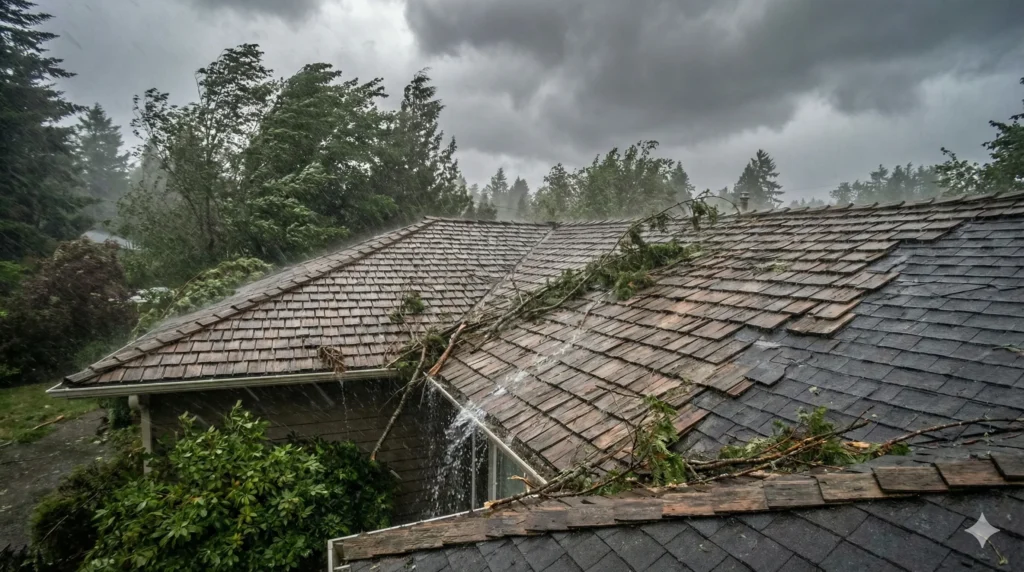
Severe storms across Washington place immediate stress on residential roofing systems. Heavy rainfall, strong winds, falling debris, and sudden temperature shifts can expose weak points that may not be noticeable during calmer weather. When these conditions occur back-to-back, even a well-maintained roof can develop problems that require prompt attention. Storm-damage roof repair focuses on identifying and correcting issues before they lead to larger structural concerns.
Do It Right Roofing works with homeowners whose roofs have been affected by storm activity, offering targeted repairs that address damage without automatically requiring full replacement. This approach enables efficient handling of storm-related issues while preserving the integrity of the existing roofing system whenever possible.
How Storm Conditions Impact Roof Performance
Washington storms often bring a combination of high winds and prolonged moisture. Wind can lift or loosen shingles, expose fasteners, or dislodge flashing around vulnerable roof features. Rain then follows, finding pathways through these openings and allowing water to enter areas that should remain protected.
Storms can also cause damage through falling tree limbs or debris carried by strong gusts. Even when impact damage appears minor, it can compromise shingle alignment or puncture roofing materials, creating entry points for water. Repeated exposure to moisture may damage decking, underlayment, or attic ventilation if repairs are delayed.
Why Prompt Storm-Damage Roof Repair Matters
Addressing storm damage early helps limit the extent of water intrusion within the roof system. Small issues such as displaced shingles or damaged flashing can escalate quickly once moisture reaches concealed areas. Waiting too long after a storm can allow leaks to worsen, making repairs more complex than necessary.
Storm-damage roof repair is not limited to fixing visible damage. A thorough evaluation looks at areas commonly affected by weather events, including valleys, roof penetrations, chimney flashing, skylights, and vent assemblies. Identifying these problem areas early helps prevent moisture from spreading beyond the roof surface.
Common Storm-Related Roofing Issues
Storm damage often presents itself in predictable ways, even when the cause is not immediately obvious. High winds can loosen shingles, create gaps along roof edges, or displace ridge components. Once shingles shift, the roof’s protective layering is no longer fully sealed.
Flashing around chimneys, skylights, and roof intersections is another frequent source of storm-related leaks. These components rely on precise installation to divert water safely away from joints. Wind-driven rain can overwhelm compromised flashing and allow water to bypass protective barriers.
Storms may also affect roof vents. Damaged or deteriorated vent components can allow moisture into the attic, contributing to condensation issues and reduced roof performance over time.
Targeted Repairs Instead of Full Replacement
Not every roof affected by a storm requires replacement. Many issues can be resolved by repairing or replacing failed components. Do It Right Roofing focuses on identifying compromised areas of the roof and addressing them directly.
Roof leak repairs often involve replacing damaged shingles, restoring flashing, or correcting vent components that no longer seal properly. By isolating the source of the problem, repairs can be completed efficiently without unnecessary disruption to the rest of the roof system.
This approach is especially valuable after storms, when homeowners want clear answers about the condition of their roof rather than assumptions based on surface-level damage alone.
Post-Storm Inspections Provide Clarity
After a major weather event, visible damage does not always tell the full story. Some leaks begin inside the roof system and only become noticeable once moisture reaches interior spaces. A professional inspection following a storm helps confirm whether hidden damage is present.
Do It Right Roofing conducts inspections that examine both the exterior roof surface and key areas beneath it. This process helps determine whether storm damage has affected shingles, flashing, vents, or other components that protect the home from moisture intrusion.
Having this information allows homeowners to make informed decisions about next steps rather than reacting after leaks have already caused interior damage.
Staying Prepared During Active Storm Seasons
With storm activity becoming more frequent and intense, having a reliable plan for roof repairs is essential. Storm-damage roof repair is not only about responding after a major event but also about ensuring that small vulnerabilities are corrected before the next storm arrives.
Regular inspections and timely repairs help maintain roof performance during periods of severe weather. Addressing minor damage early reduces the likelihood of emergency repairs and helps keep the roof functioning as intended throughout the storm season.
Further Reading:
- Guide to Port Orchard Roofer Practices for Cold-Weather Roof Installations
- Five Indicators That Roof Repair From a Tacoma Roofing Professional Is Needed
Responding to Roof Damage After Severe Storms
Storm-related roof issues can develop quickly once wind and heavy rain expose vulnerable areas of the roofing system. Addressing damage soon after a storm helps limit moisture intrusion and prevents minor issues from spreading into larger concerns. A professional inspection provides clarity about what repairs are actually needed based on observed conditions rather than surface appearances.
Schedule an inspection with Do It Right Roofing to address storm-related damage and ensure reliable storm-damage roof repair.