
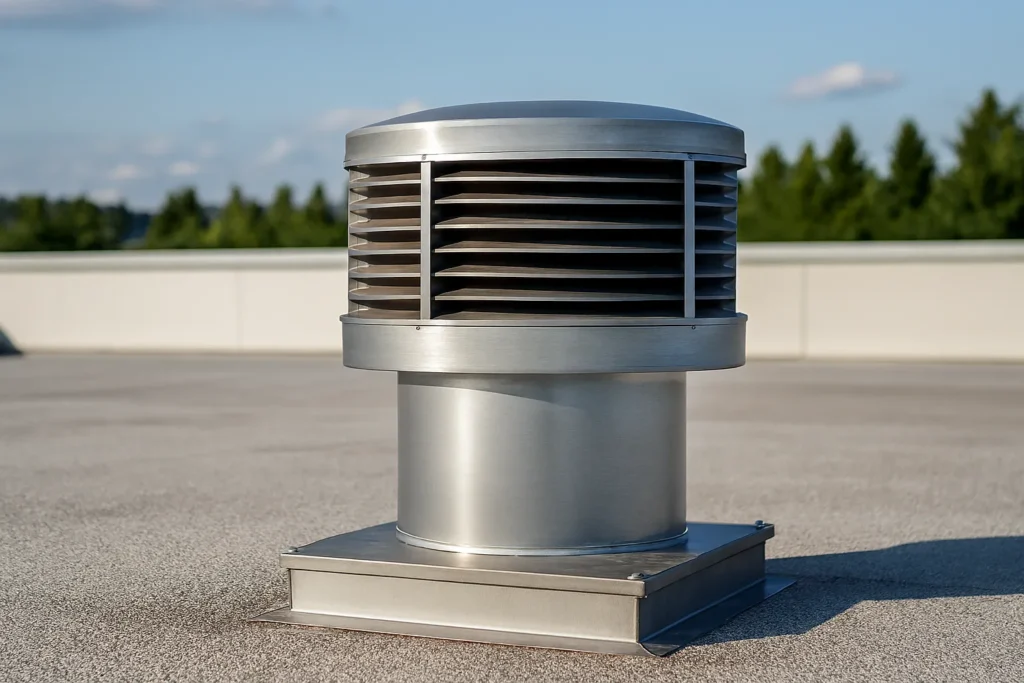
The quality of the air inside an office affects daily comfort, productivity, and how the space is used throughout the workday. While heating, cooling, and filtration systems often receive the most attention, the condition of roof ventilation is just as critical. In Bonney Lake office buildings, aging or damaged vents can disrupt airflow and allow moisture to accumulate where it shouldn’t. Addressing roof vent replacement helps maintain balanced air movement through the building and supports healthier interior conditions for employees and visitors.
Do It Right Roofing works with property owners who want to understand how roofing components affect building performance. Roof vents are exposed to the same weather conditions as the rest of the roof, and over time, that exposure can reduce their effectiveness. Replacing worn vents restores proper airflow and supports the long-term health of the roof and interior.
How Roof Ventilation Affects Office Air Quality
Roof vents regulate airflow through the attic and roof spaces. In office buildings, these areas play a key role in managing heat and moisture that rise from occupied spaces below. When vents function properly, warm, humid air can escape rather than remain trapped beneath the roof.
Without effective ventilation, moisture can accumulate in enclosed spaces. This buildup can affect materials above the ceiling and influence the air circulating back into occupied areas. Maintaining functional vents helps limit condensation and supports more consistent indoor conditions throughout the office.
Signs That Roof Vents May Need Replacement
Roof vents are designed to last, but they are not immune to wear and tear. Exposure to wind, rain, and seasonal temperature changes can lead to deterioration over time. Rust, cracked housings, loose fasteners, or signs of leakage around vent openings may indicate the need for replacement.
In office settings, reduced airflow or lingering humidity can sometimes be traced back to vent issues above the ceiling. Replacing damaged vents helps restore proper air exchange and reduces the chance of moisture-related concerns developing out of sight.
Intake and Exhaust Vent Balance
Effective roof ventilation relies on the balance between intake and exhaust vents. Intake vents admit fresh air, while exhaust vents expel warm, humid air from the attic or roof cavity. When either side of this system underperforms, airflow can become restricted.
Intake vents are often located in soffits beneath the roof eaves, where they are somewhat shielded from direct exposure. In some buildings, intake vents are installed directly into the roof when soffits are not present. These roof-mounted intake vents require careful installation, as improper placement can create pathways for leaks.
Exhaust vents are typically installed near the roof ridge, where rising warm air naturally collects. Because of their position, exhaust vents are more directly exposed to the weather and may require replacement sooner than intake vents.
Common Exhaust Vent Types in Office Buildings
Office buildings may use different exhaust vent designs based on roof structure and airflow requirements. Box vents are common and generally durable, though they can rust or sustain damage over time. Turbine vents increase airflow but include moving parts that may wear or become noisy over time.
Power vents operate with internal controls that respond to temperature and humidity levels. While effective in certain applications, they are more complex and can require replacement if components fail. Ridge vents run along the roof peak and are made from durable materials, though they can allow debris intrusion if not properly maintained.
Understanding which vent types are present helps determine when roof vent replacement is appropriate and which approach best supports airflow needs.
Why Offices Require Special Attention to Vent Performance
Office buildings often have higher occupancy levels and longer daily use than residential properties. This increased activity generates heat and humidity that must be managed effectively. When roof vents fail to perform, they can affect indoor comfort and air circulation.
Replacing compromised vents helps maintain airflow that supports the building’s HVAC systems rather than working against them. Proper ventilation reduces stress on other building systems and helps keep indoor environments more consistent throughout the workday.
Further Reading:
- Roof Repair Services in Tacoma for Loose Shingle Issues
- Flat Roof Project Highlight: Tacoma Central Presbyterian Church
Supporting Healthier Office Environments Through Vent Care
Many factors influence indoor air quality, but roof ventilation remains an essential piece of the system. Functional vents support airflow, reduce moisture accumulation, and help offices maintain stable interior conditions.
To support indoor air quality and roofing performance in your office building, contact Do It Right Roofing to schedule an inspection and discuss professional roof vent replacement in Bonney Lake.